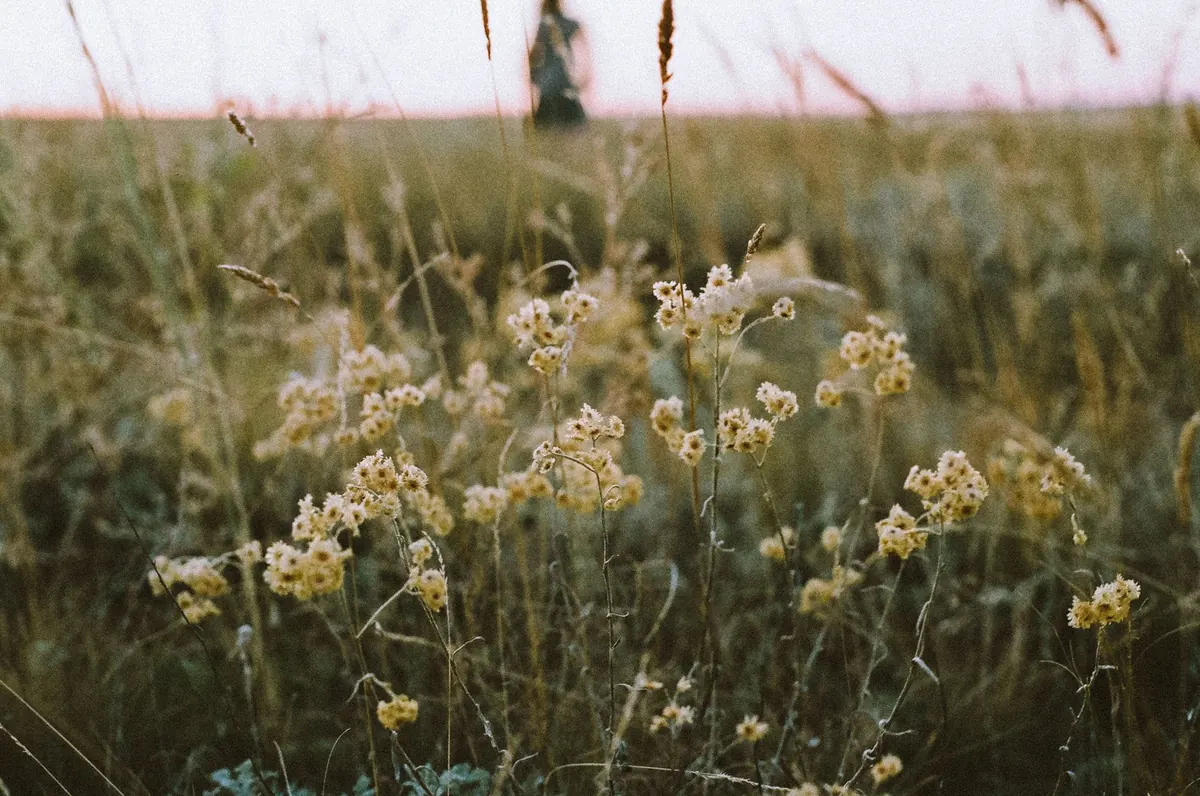
Most new wildflower meadows look disappointing in their first summer: bare patches, a flush of chickweed, and a few cornflowers standing about as though they have arrived at the wrong party. That is normal. A meadow is not a lawn with different seed in it — it is a slow negotiation between grasses, flowers, soil fertility and the timing of your mower. Give it three years and the same ground will look entirely different.
You do not need acres. A quarter-acre field, or a generous corner of one, is plenty. What it needs is patience and a plan that runs by the year rather than the weekend.
Almost everything that goes wrong with new meadows comes down to fertility. Wildflowers are specialists of poor ground — thin soils, grazed hillsides, hay meadows cut once a year. Land that has been fertilised, reseeded or heavily grazed will be full of vigorous grasses, and flowers will struggle from the start.
Walk the field and read what is already there. Rye grass, nettles, docks and cow parsley point to rich soil and a longer preparation. Fine-leaved grasses, birdsfoot trefoil and knapweed suggest a better starting point. Check the light as well: most meadow flowers want sun for most of the day, so a strip under a hedge will never perform like the middle of the field.
One thing worth saying plainly: if a corner of your field already carries a good mix of wild flowers, do not plough it up to sow something else. Manage what you have, and spend the seed budget on the dull ground instead.
Start by removing competition. Cut the grass as short as you can, then scarify or rake hard to open the surface and take off the thatch. Perennial weeds — docks, thistles, nettles, creeping buttercup — need dealing with before sowing. Either dig them out repeatedly, or spot-treat them and wait out the interval stated on the label before sowing. On a small area, hand work is usually quicker than people expect.
Where fertility is high, spend a season taking cuts and carting them away. Cutting grass and removing it is the cheapest way to lower fertility, and it costs nothing but time.
Sow in early autumn if you can: many native perennials, and yellow rattle in particular, need winter cold to break dormancy. Spring sowing works but is slower and more vulnerable to dry spells. Seed-to-soil contact matters, so open the ground, sow thinly, then roll or tread the seed in. Mix it with dry sand to spread it evenly, and go over the ground twice, the second pass at right angles. Thin sowing almost always beats thick sowing.
Through the first summer, cut whenever growth reaches about 15cm, taking it down to 5–10cm and clearing the clippings. The exception is yellow rattle: let it flower and set seed before cutting that patch, because the seed it drops is what holds the grasses back next year.
Native seed of local provenance is worth paying for. Cheap mixes are often padded with agricultural grasses or garden flowers that bloom once and vanish. Match the mix to your soil: damp clay suits ragged robin, purple loosestrife and meadow buttercup, while a thin chalky slope suits ox-eye daisy, knapweed and cowslip.
Check the ratio of grasses to flowers. Grasses are the framework of a meadow and make up most of it by weight; a mix that is nearly all flowers will look thin and unstable. Annuals such as corn poppy and corn marigold give a bright first year but need bare ground to return, so treat them as decoration rather than the main event. For a small patch, plug plants are a reliable way to introduce species.
The second year is when the meadow earns its keep, and when it is hardest to leave alone. From early spring to late July the mower stays in the shed and everything flowers and sets seed. That seed bank is the whole point. Before you cut, walk the field slowly: skylarks, meadow pipits and other ground-nesting birds sit in exactly the tussocky grass you are about to mow. If you find a nest, cut around it and come back later.
The main cut comes in late July or August, once most flowers have set seed. Cut to 5–10cm with a scythe, a brushcutter blade, or a mower on its highest setting. Leave the grass lying for two or three days so any remaining seed drops, then rake it up and take it off the field. Removing the cuttings is not tidiness; it is the most useful thing you do all year, because it steadily starves the grasses that would otherwise smother your flowers.
A second cut in September, cleared away again, keeps the sward open. After that, leave the meadow standing through winter. Hollow stems and seed heads are shelter and food for insects and birds, and the seed left standing is next year's flowers.
By the third summer the meadow should be finding its own balance, with yellow rattle thinning the grass and perennials filling out. What it needs now is the same treatment, repeated without fuss.
Light grazing after the hay cut — a few sheep or cattle for a short spell — is the traditional way to keep a meadow in order, provided the ground is dry and the animals are moved on before they poach it. Without livestock, mowing does the same job. Never fertilise, never spread compost, and never leave clippings behind.
Cutting the same way every year slowly reduces variety. Leave a third of the field uncut each year, rotating which third, and the insects and seed-eaters will make use of it.
Expect setbacks and treat them as information rather than failure.
Keep notes: what flowered, when you cut, what the weather did. Every meadow is a local experiment, and no two fields respond in quite the same way. Judge yours over three years, not three weeks. A bare first summer followed by a grassy second one is the process working, not the plan failing.
Mow a path through it so that you actually walk in it. A meadow you use is a meadow you will keep looking after, and there is no better way to learn what yours needs than to spend time in it.
Photo: Kseniya Buraya / Pexels
A practical checklist of the rural waste mistakes that cost you time, money and good neighbourly relations — from...
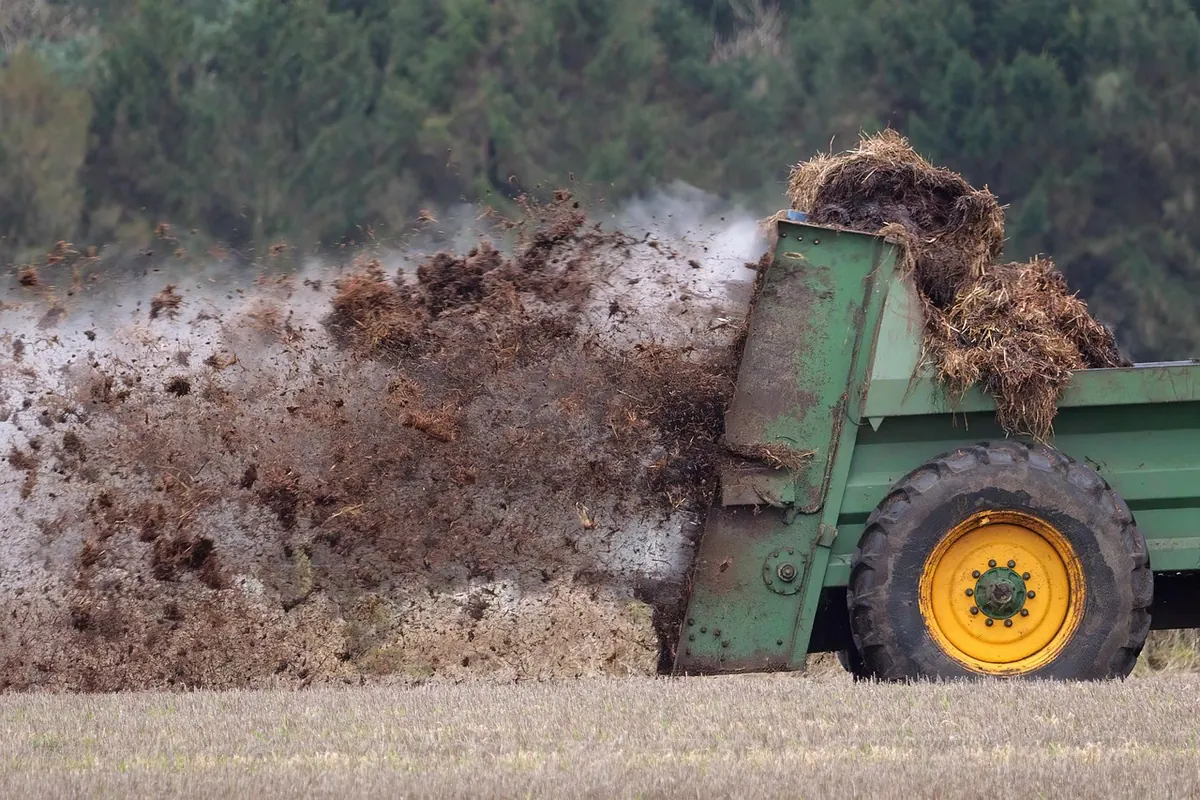
A practical guide to when muck goes on, how to get it right for your soil, and the local rules worth checking first.
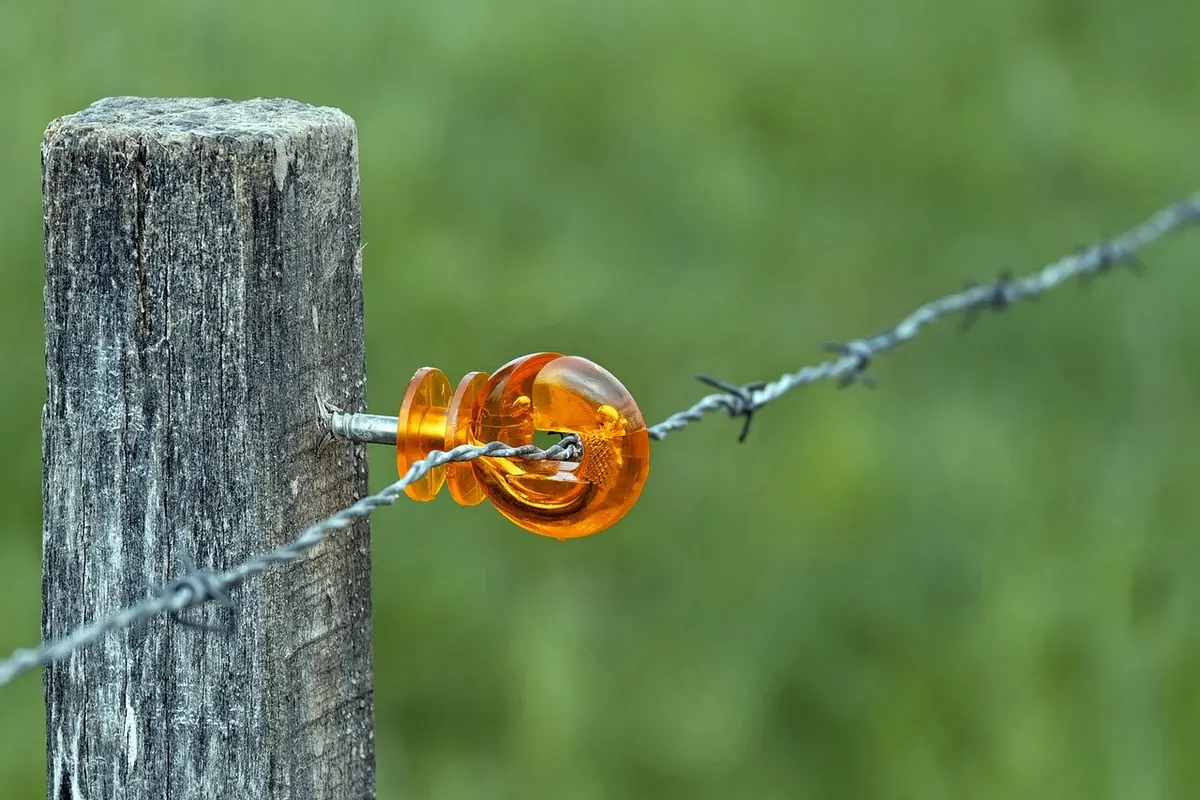
Hedges, post-and-rail, stock netting and dry stone walls each suit different jobs — here is how to pick the one your...


A cozy nook for countryside living and nature..
