
The forecast said "gusty" on Tuesday. By Thursday it had a name, and the lane outside the gate had turned into a shallow brown river. That is how winter usually arrives out here: not all at once, but with a phone alert and a rising wind that finds every loose thing you own.
Rural properties take storms differently from town houses. There is simply more to catch the wind — longer runs of fence, taller trees, wider roofs, outbuildings that were never designed with gusts in mind. The reassuring part is that most storm damage is boring and preventable. Two hours with a notebook, a ladder and a ball of baler twine, spent two days before the weather turns, saves a fortnight of clearing up afterwards. Here is the order that works.
Walk the whole property before you touch anything, and look up more often than you look down. Carry a notebook or your phone and write things down — the loose ridge tile you will have forgotten by the time you get back to the kitchen, the gate that has dropped on its hinge, the branch resting on the telephone line. Do the lap in daylight and in waterproof boots, because you also need to see where water already sits.
Work on one principle throughout: anything the wind can lift, it will; anything it cannot lift, it will rattle until something gives.
Fences fail in stages. A post rots at ground level, a rail works loose, and then a gale turns a whole section into a sail. Push and pull every post along the exposed sides of the property, and pay closest attention to corners and strainers, which take the most load. If a post moves in your hand now, it will be flat on the grass by morning.
Gates deserve their own few minutes. A gate swinging in a gale will tear its hinges out of the post or split the post itself. Drop the top bolt, lash both leaves back to a strainer with twine, and check the hinge bolts are tight.
Then the lightweight items, which cause more mess than damage: temporary electric fencing rolled up and disconnected, stock netting taken down, feed troughs weighted or upended. On polytunnels and barns, check every cladding clip and every sheet. If a cover is already torn, either replace it now or take it off deliberately before the wind does it for you. A loose metal sheet is a blade, not a nuisance.
Most storm damage to buildings comes from above. Walk the boundary with binoculars and look for hanging deadwood, cracks in trunks, fungal brackets at the base, and branches that have grown into overhead cables. If a tree is anywhere near a power line, keep your saw well away from it and ring the network operator instead — that is their job, not yours. The same goes for anything tall and close to the house. Once a limb is above head height near a roof, it belongs to a tree surgeon with proper insurance, not to a Saturday afternoon.
Hedges are a different matter. A dense, well-managed hedge is one of the best windbreaks you can have, so leave it alone this week. What is worth checking is the climbing growth: ivy and wall shrubs that have quietly pulled a downpipe away from the brickwork, or a rose that has come off its wires and is now flapping against a window. Tie in what you can reach and cut back what you cannot.
Blocked gutters do nothing in dry weather. They wait for a storm, and then the water backs up under the eaves, down the wall and into the loft. Clear them now, before the first hard rain, and do it properly:
Stand at the lowest point of the yard and work out where the water will arrive from and where it should leave. Then clear the route: gullies, ditch outfalls, the culvert under the drive, the grate at the bottom of the slope. If a culvert has silted up, clear it now, because you will not enjoy doing it in the dark with a torch in your teeth.
Move hay, straw, feed and machinery up off the floor of the low barn. Half-empty the water butts and strap them to something solid — a full butt is heavy enough to shift, crack, and take a downpipe with it. Put a pallet or a plank down where you will need to stand when you are unblocking something at ten at night.
This is the checklist that saves the most money for the least effort:
Then look to the animals. Move stock to a field with a natural shelter belt if you can, check that troughs will not be swamped by run-off, and remember that if your water comes from a pump or borehole, a power cut means no water at all.
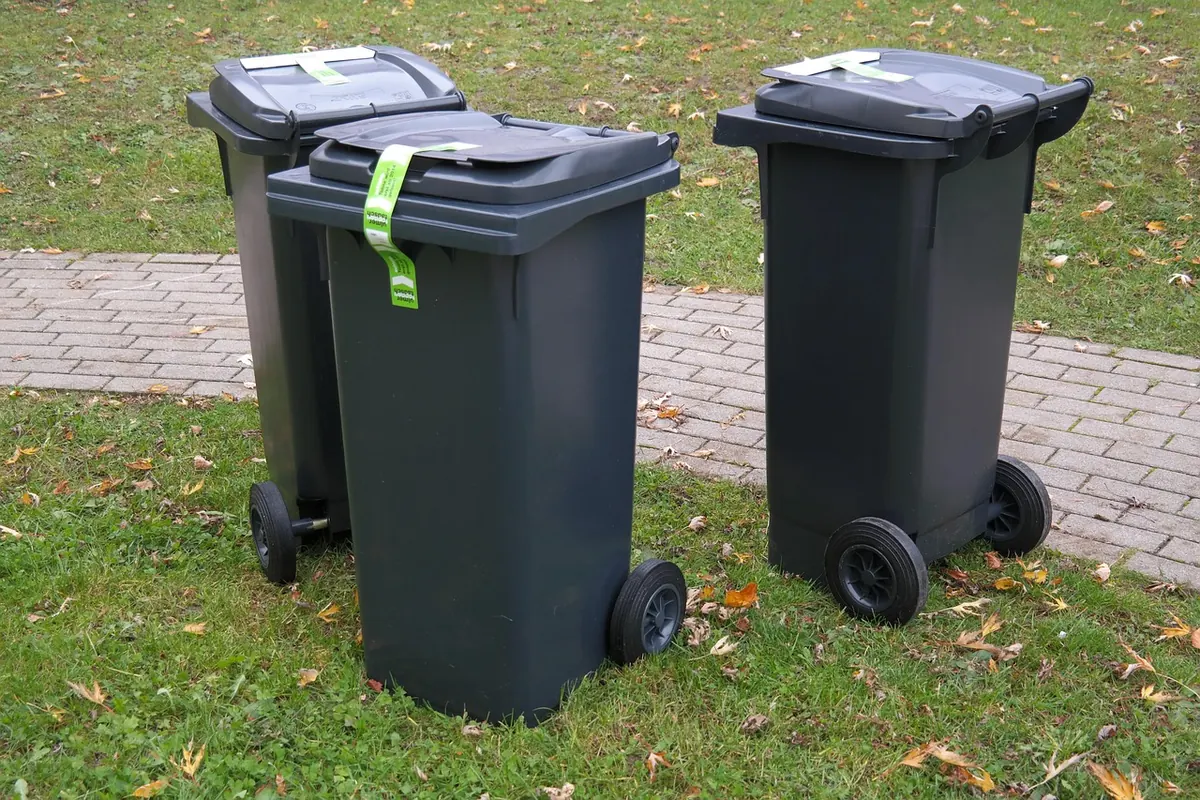
Charge phones, torches and power banks. Fill flasks, water containers and the bath if your supply depends on electricity. Park vehicles clear of trees and clear of the wall where the wind will strip tiles, and put the bins somewhere they cannot roll. Then go inside, shut the doors, and let it blow.
Wait for daylight, then walk the same lap in the same order, looking up first. Never touch anything hanging from a power line, and keep children and dogs away from it until the network operator has been out. Photograph any damage before you tidy it up, and read your policy wording before assuming storm damage is covered — insurers draw a firm line between weather damage and wear and tear, so it is worth knowing which side of it you are on.
Finally, clear the debris out of the gullies and ditch mouths. The next band of rain will not wait for you, and a drain that was clear on Thursday is often the reason a yard floods on Sunday. Do the lap again next autumn, and it will take half the time.
Photo: Pamjpat / Pixabay
A practical checklist of the rural waste mistakes that cost you time, money and good neighbourly relations — from...
A practical guide to when muck goes on, how to get it right for your soil, and the local rules worth checking first.
Hedges, post-and-rail, stock netting and dry stone walls each suit different jobs — here is how to pick the one your...


A cozy nook for countryside living and nature..
